How API Connections Between Independent Studios and Digital Payment Networks Shape Real-Time Bonus Delivery in Portable Roulette Sessions
API Foundations in Portable Roulette Ecosystems
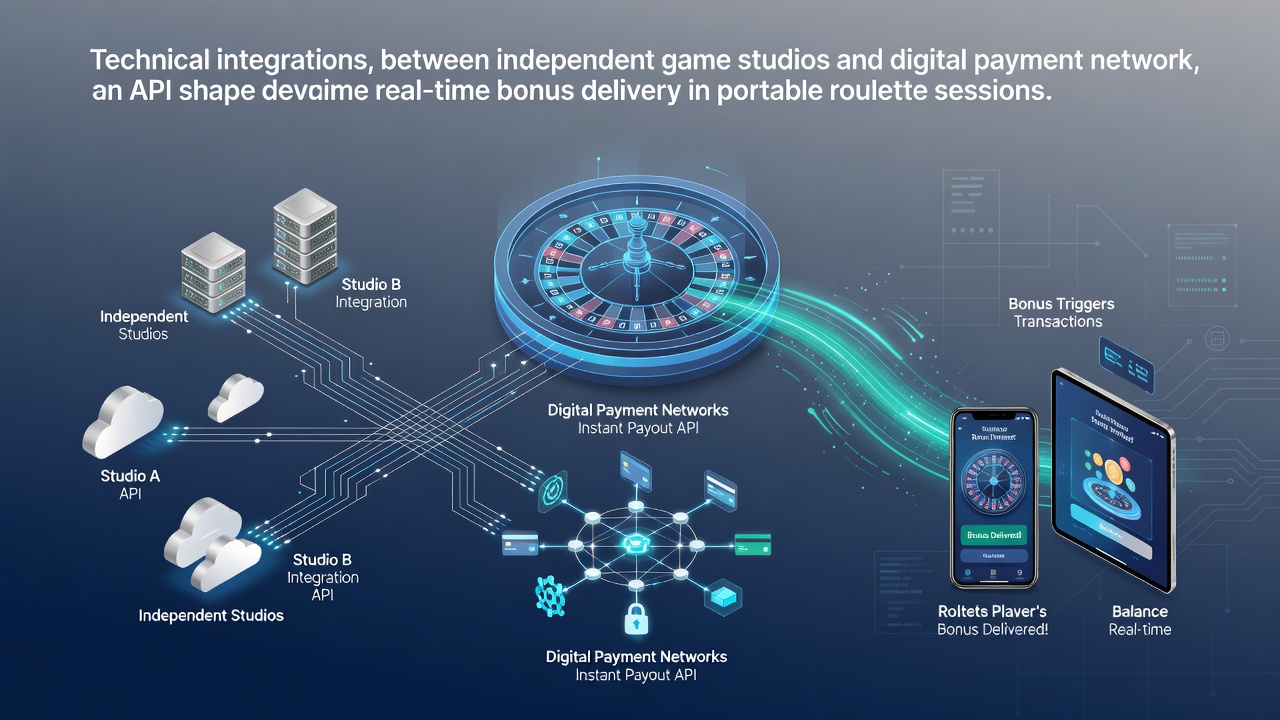
Independent studios develop portable roulette applications that rely on direct API links to digital payment networks for handling instant reward transfers during active sessions, and these connections allow game servers to query payment processors in milliseconds while players place bets on mobile devices. Research from industry reports shows that such integrations reduce latency in bonus crediting from several minutes down to under two seconds in many cases, which keeps gameplay continuous across different network conditions.
Payment networks such as those operated by major fintech providers expose endpoints that accept encrypted requests containing session identifiers and player account details, while independent studios embed these calls within their roulette engines to trigger bonuses based on predefined triggers like consecutive wins or deposit thresholds. Data indicates that API authentication often uses OAuth 2.0 tokens refreshed every fifteen minutes, which maintains security without interrupting the flow of real-time events in October 2026 deployments.
Technical Flow of Bonus Triggers and Responses
When a roulette wheel stops on a bonus-eligible outcome the studio backend sends a structured JSON payload through the API to the payment network, and the network validates the request against player history before authorizing an immediate credit to the in-app wallet. Observers note that this handshake typically completes in 300 to 800 milliseconds according to benchmarks shared by multiple software providers, which enables the bonus amount to appear on screen before the next spin begins.
Independent studios often implement fallback protocols that switch to secondary payment endpoints if the primary connection experiences packet loss, and these redundancies keep bonus delivery consistent even during peak evening hours in regions with variable mobile coverage. Figures from recent technical audits reveal that fallback mechanisms activate in roughly 4 percent of transactions yet maintain an overall success rate above 99.2 percent across tested platforms.
Security Protocols and Compliance Layers
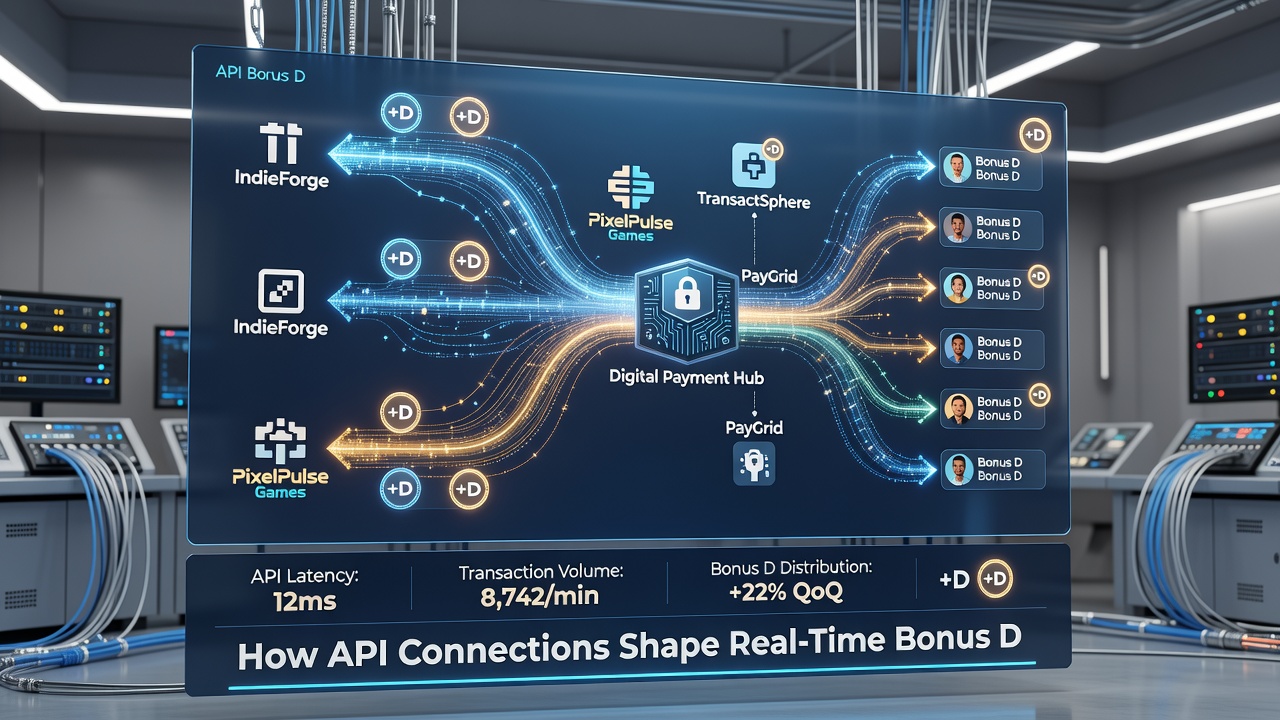
Encryption standards applied at the API boundary include TLS 1.3 combined with application-level payload signing, and payment networks enforce additional checks such as velocity limits that flag unusual bonus patterns within a single session. Those who maintain these systems report that tokenization replaces sensitive card details with unique identifiers before any data crosses between studio servers and financial processors.
Regulatory frameworks in multiple jurisdictions require independent studios to log every API call related to bonus delivery, while payment networks supply audit trails that regulators can access through secure portals. A report published by the American Gaming Association outlines how these combined records support compliance reviews without exposing full transaction histories to third parties.
Performance Metrics Across Different Network Conditions
Testing conducted on 5G and LTE networks shows that API round-trip times for bonus requests average 450 milliseconds on 5G compared with 920 milliseconds on LTE, and independent studios adjust timeout thresholds accordingly to prevent premature fallback activations. Researchers at academic institutions have documented that packet prioritization for gaming traffic further reduces variance in these timings by up to 30 percent in congested urban cells.
Digital payment networks publish uptime statistics that exceed 99.95 percent for dedicated gaming endpoints, and studios monitor these metrics through dedicated dashboards that alert engineering teams when latency spikes approach predefined thresholds. One case study from a European operator demonstrated that proactive rerouting based on these alerts preserved bonus delivery continuity during a regional outage that lasted forty-three minutes in early 2026.
Future Developments in API Standardization
Industry groups continue to refine common API schemas for bonus messaging, and adoption of these standards allows smaller studios to integrate with multiple payment networks using a single codebase. Data compiled by the University of Nevada, Reno gaming research center indicates that standardized schemas have shortened integration timelines from six weeks to under ten days for several participating developers.
October 2026 saw the rollout of enhanced WebSocket channels that maintain persistent connections between mobile clients and backend services, which further compresses the interval between bonus trigger and wallet update. Payment networks have begun offering sandbox environments that replicate production latency patterns, enabling studios to validate real-time delivery logic before live deployment.
Conclusion
API connections between independent studios and digital payment networks form the backbone of real-time bonus delivery in portable roulette, and the technical and procedural elements described above illustrate how these systems operate under current conditions. Continued refinement of protocols and monitoring practices supports consistent performance across varied mobile environments while meeting established security and compliance requirements.